
When I first started worm farming, one of my biggest questions was, “Which worm species should I use?” I knew I needed the right worms to keep my farm productive and healthy. But, I quickly learned that not all worms are the same when it comes to farming.
If you’re wondering which worms are best for vermicomposting or worm farming, here’s what I’ve learned along the way.
1. Red Wigglers (Eisenia fetida)
These little guys are the most popular choice for worm farming, and it’s easy to see why. Red wigglers are incredibly efficient at breaking down organic matter and thrive in composting bins. What I love most is how well they handle a wide range of temperatures, making them easy to care for.
They also stay near the top of the bin, where the food scraps are, which makes them perfect for composting. If you’re just starting out, I’d recommend red wigglers. They’re hardy, prolific, and perfect for beginners.
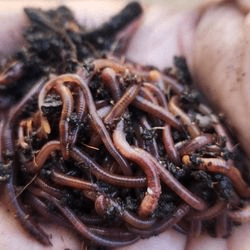
2. European Nightcrawlers (Dendrobaena hortensis)
If you’re looking for a larger worm, European nightcrawlers are a great option. They compost well but also help aerate soil, which is perfect for gardens. I’ve used them in outdoor setups and noticed how well they improve soil structure.
They’re also larger than red wigglers, which makes them useful for both composting and fishing bait. If you’re considering worm farming as a business, European nightcrawlers can be a dual-purpose choice.
3. African Nightcrawlers (Eudrilus eugeniae)
African nightcrawlers are large worms that compost quickly. They’re known for breaking down organic material fast, and the castings they produce are rich in nutrients. However, they’re more sensitive to cold, which makes them trickier to farm if you live in a cooler climate.
I personally started with red wigglers because they’re easier to manage. But, if you live in a warm area or can regulate the bin temperature, African nightcrawlers might be a great fit.
4. Indian Blue Worms (Perionyx excavatus)
Indian blue worms are fast composters, but they can be a bit tricky. They’re more sensitive to changes in temperature and moisture, which can make them harder to manage. In my experience, Indian blue worms are more likely to try to escape if conditions aren’t perfect.
For that reason, I’d suggest sticking with red wigglers or European nightcrawlers unless you’re an experienced worm farmer.
So, Which Worm is Best?
In my opinion, red wigglers are the best choice for most worm farms, especially if you’re just starting out. They’re reliable, easy to care for, and excellent at composting.
If you’re looking for something more versatile, European nightcrawlers are a great second option. And, for those in warm climates, African nightcrawlers could be your go-to for fast composting.
Ultimately, the best worm species depends on your goals and environment. But no matter which species you choose, you’ll be well on your way to creating rich, fertile compost and enjoying the benefits of worm farming.